Figure Rocks

Figure Rocks — Gaming Portal for Rare Figures & Smart Tech

A collector-first gaming portal: Amiibo and rare figures, EU/US/JP packaging and reprint tracking, condition grading, plus tech guides with real signal (no hype).

Figure Rocks — Gaming Portal for Amiibo, Rare Figures & Smart Tech

Figure.Rocks is where collectors and gamers meet: Amiibo & rare figures, clean comparisons, and tech guides that focus on what changes your experience — not what’s trending for clicks.

If you care about first print vs reprint, EU vs US vs JP packaging, and keeping a collection premium — you’re in the right place. If you care about low-latency gaming, stable network feel, and hardware choices that actually matter — same.

What You’ll Find Here

  • Amiibo & Figure Intelligence: reprint timelines, wave tracking, region differences, edition hints, and collector-friendly explainers.
  • Packaging & Region Guides: EU/US/JP box details, seal differences, and what matters for resale vs display.
  • Condition Grading: a simple system for mint/sealed/opened, box wear, and how to describe condition like a pro.
  • Gaming Tech With Signal: practical guides (network stability, latency, setup choices) that improve gameplay and buying decisions.

Start Here (Collector + Gamer Friendly)

  1. Learn the difference: First Print vs Reprint (and why it changes value).
  2. Compare regions: EU vs US vs JP Packaging (what to look for quickly).
  3. Use a clean Condition Grading checklist to describe your figure accurately.
  4. Improve play feel: Ping vs Jitter vs Bufferbloat (what actually ruins gaming).

Why Figure Rocks Is Different

Most sites mix hype, rumors, and shallow lists. We do the opposite: structured guides, fast checklists, and comparisons you can use in 60 seconds — whether you’re buying, collecting, or optimizing your setup.

Collector-grade detail. Gamer-grade practicality. Zero filler.— Figure.Rocks

Explore the Portal

Browse Amiibo Guides, Figure Comparisons, Reprint Watch, and Gaming Tech. New posts are added continuously as waves drop and tech changes.

Ready? Start with the collector basics, then go deep into rare finds and tech upgrades.

My articles

Discover and manage your article collection 9

NVIDIA G-Assist Is Not Just a Chatbot: How Its Local SLM, Tools, Plug-ins and MCP Actually Work
NVIDIA Project G-Assist looks like a chatbot, but its real architecture is closer to a local AI agent. A small language model interprets your request,...
Aleksandar Stajic
Sep 26, 2026
Sep 26, 2026
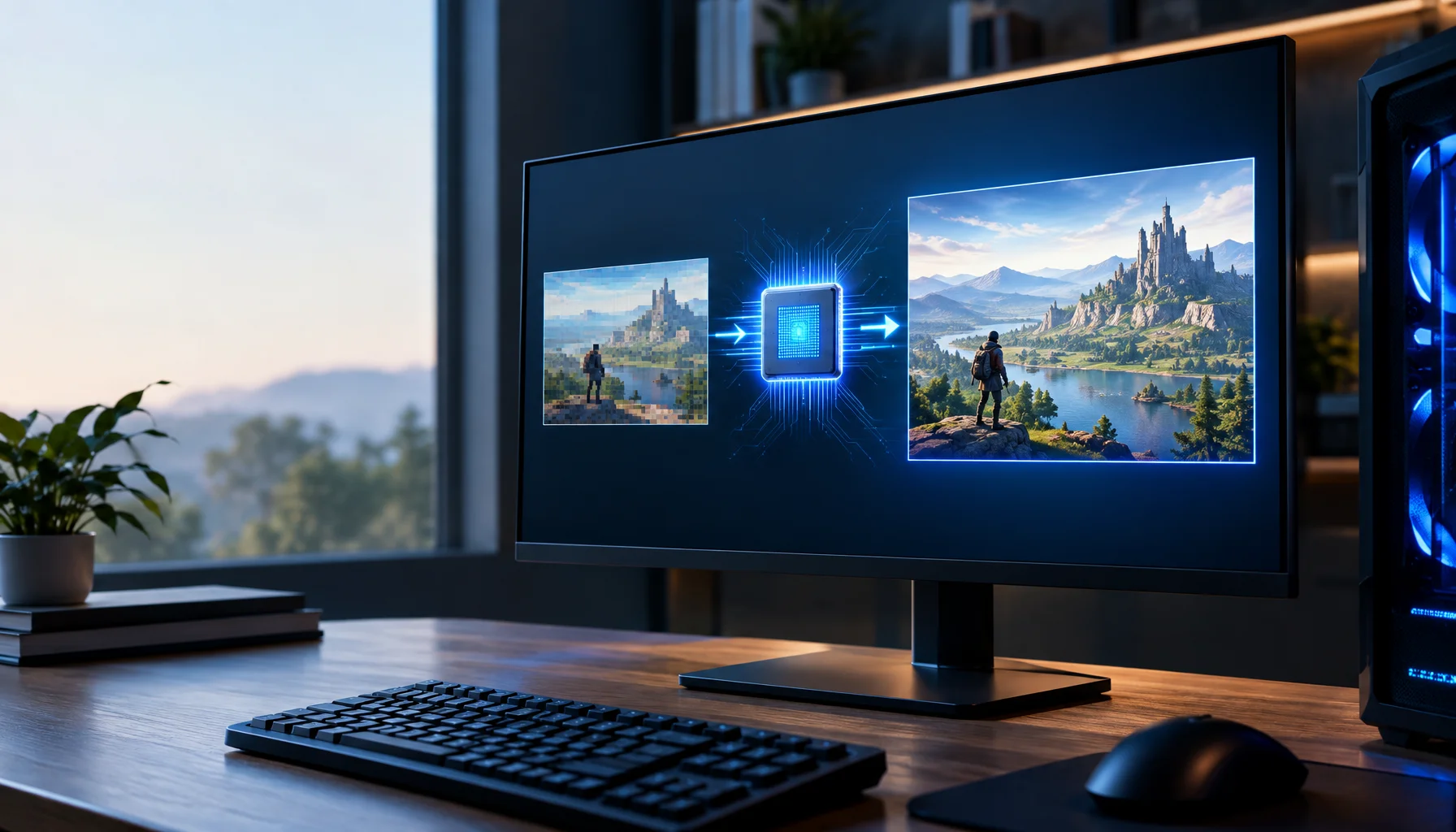
Windows Auto SR Is Not DLSS: How NPU Upscaling Works Without Game Integration
Windows Auto SR can upscale supported games without DLSS, FSR or XeSS integration. Instead of running the reconstruction model inside the game on the ...
Aleksandar Stajic
Sep 26, 2026
Sep 26, 2026
DirectStorage 1.4 Does Not Make Your SSD Decompress Games: What Zstd and GPU Decompression Actually Do
DirectStorage 1.4 adds Zstandard compression, GPU decompression and a new Game Asset Conditioning Library, but the SSD itself is still only one part o...
Aleksandar Stajic
Sep 26, 2026
Sep 26, 2026
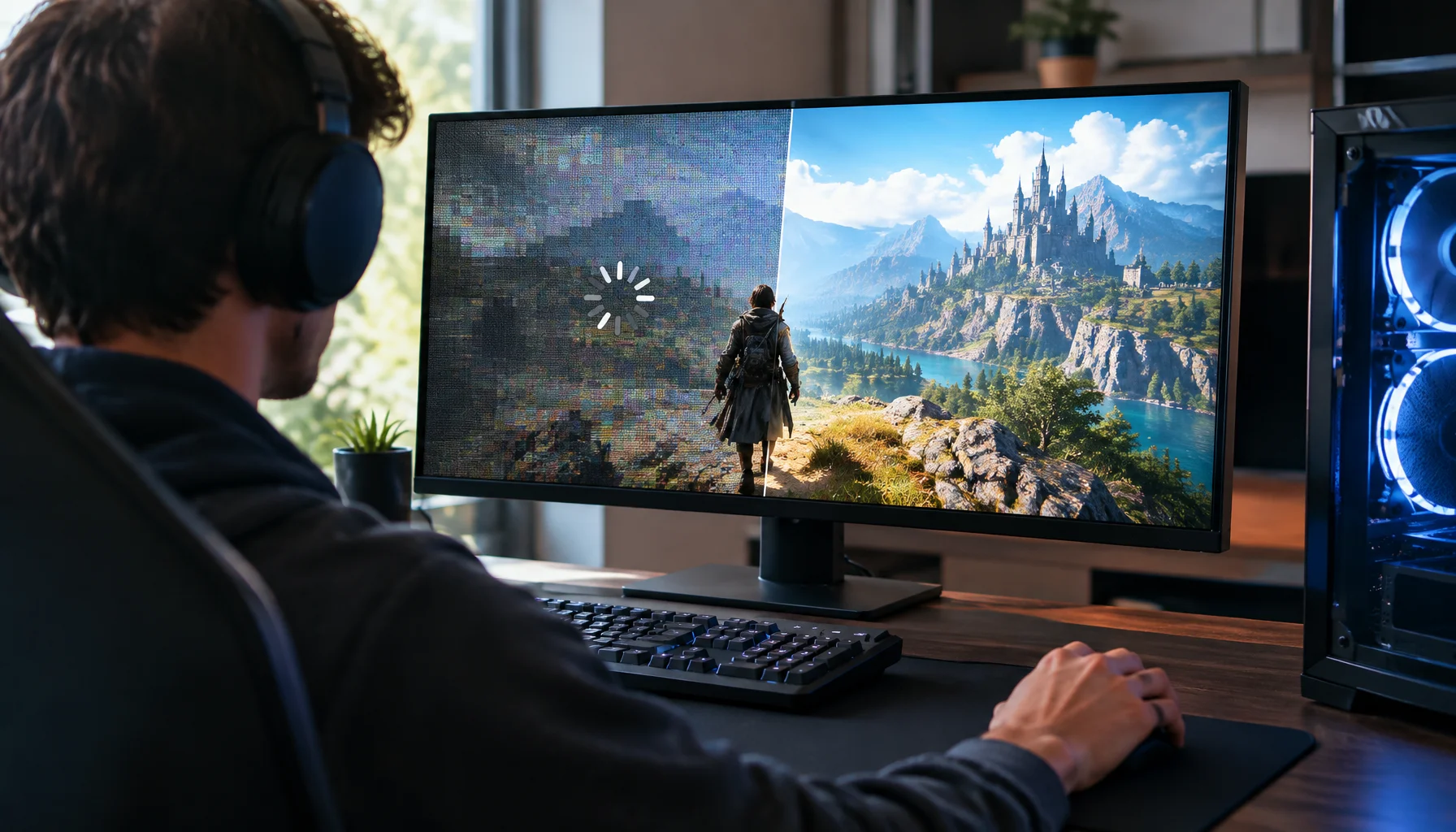
Why PC Games Stutter When Compiling Shaders — and How Advanced Shader Delivery Changes It
Shader stutter happens when a PC game has to compile GPU programs at the wrong moment. Microsoft Advanced Shader Delivery moves much of that work off ...
Aleksandar Stajic
Sep 26, 2026
Sep 26, 2026
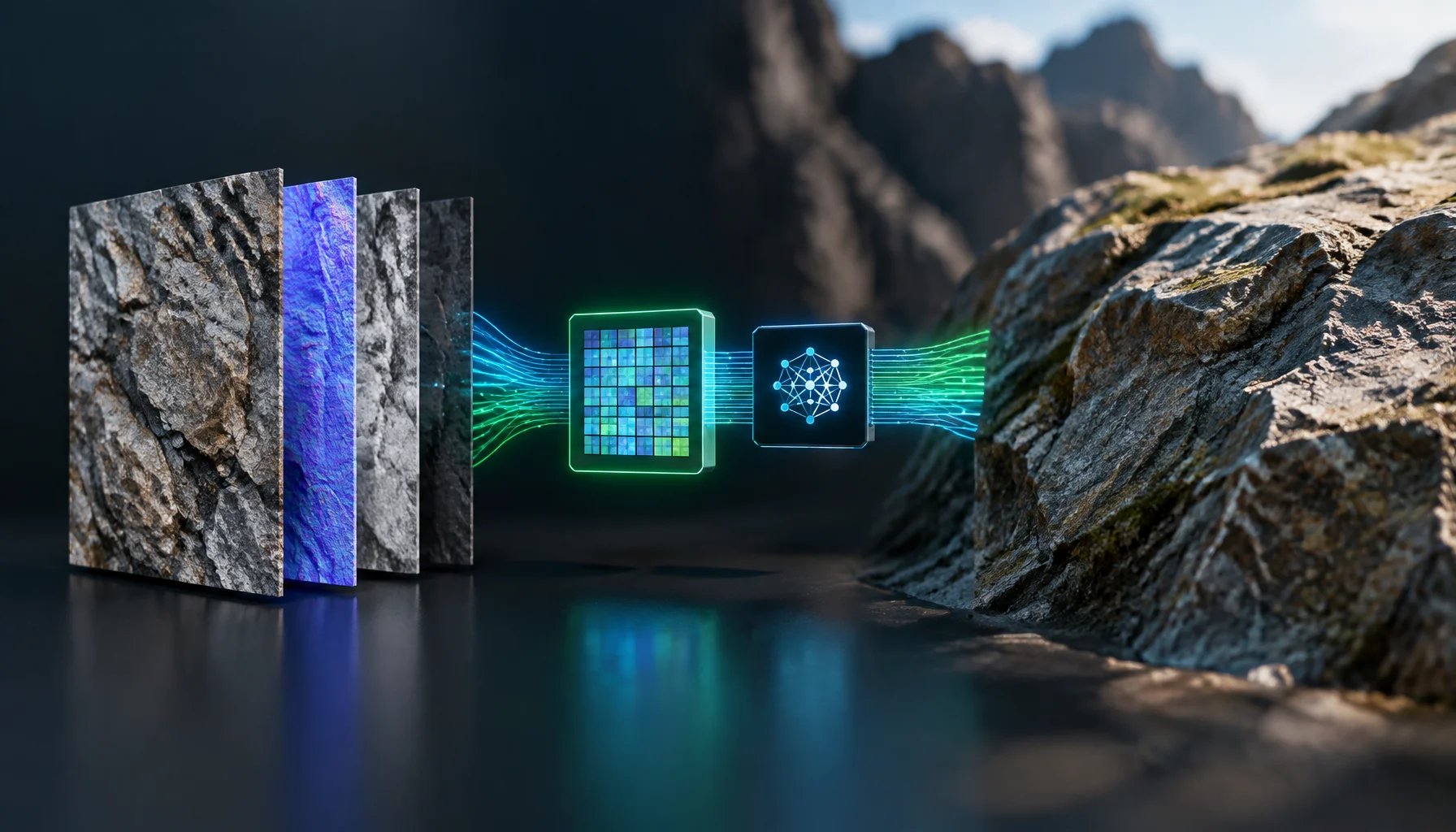
RTX Neural Texture Compression Is Not Upscaling: How AI Can Trade Texture Memory for GPU Compute
NVIDIA RTX Neural Texture Compression changes how game materials can be stored. Instead of keeping every texture channel only as conventional texels, ...
Aleksandar Stajic
Sep 26, 2026
Sep 26, 2026
Intel XeSS 3 Is More Than Upscaling: Multi Frame Generation and Xe Low Latency Explained
XeSS 3 is no longer just Intel’s upscaler. It now combines Super Resolution, Frame Generation, Multi Frame Generation and Xe Low Latency, with up to t...
Aleksandar Stajic
Sep 26, 2026
Sep 26, 2026
DLSS 5 Is Not Just Upscaling: What 3D-Guided Neural Rendering Actually Changes
DLSS 5 moves AI into a new part of the graphics pipeline. Instead of only reconstructing resolution or generating extra frames, 3D-Guided Neural Rende...
Aleksandar Stajic
Sep 26, 2026
Sep 26, 2026
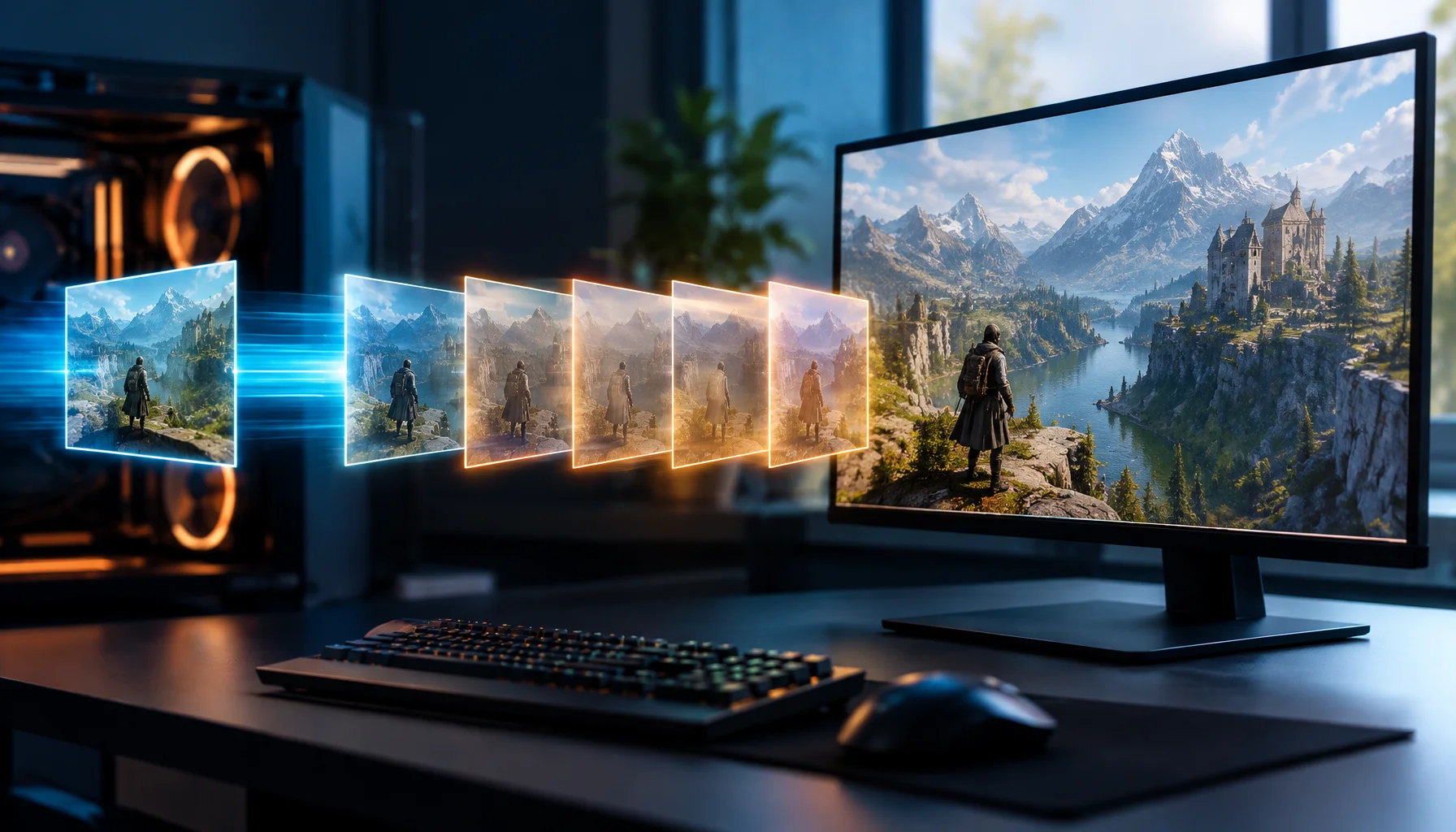
DLSS 4.5 6X: Why 300 FPS Does Not Mean the Game Is Rendering 300 Frames
DLSS 4.5 can generate up to five additional frames for every traditionally rendered frame on supported RTX 50 Series GPUs. This guide explains the dif...
Aleksandar Stajic
Sep 26, 2026
Sep 26, 2026
VRAM Usage Is Not VRAM Requirement: Why a Full Memory Meter Does Not Tell the Whole Story
Seeing 7.8 GB used on an 8 GB graphics card can look like proof that a game has run out of VRAM. It is not that simple. This guide explains VRAM capac...
Aleksandar Stajic
Sep 26, 2026
Sep 26, 2026